
Bed bugs are back: how to prevent and control
For a time it was thought they were eradicated, but bed bugs are back and stronger than ever. Cimex lectularius, better known as bed bugs, is a real headache when it enters your home.
Besides biting and feeding on our blood, they can quickly turn into a full infestation, being some of the hardest insects to eliminate.
There are several theories about their reappearance. One of the most plausible is globalization: the constant movement of people and goods allows bed bugs to recolonize places where they had been eliminated.
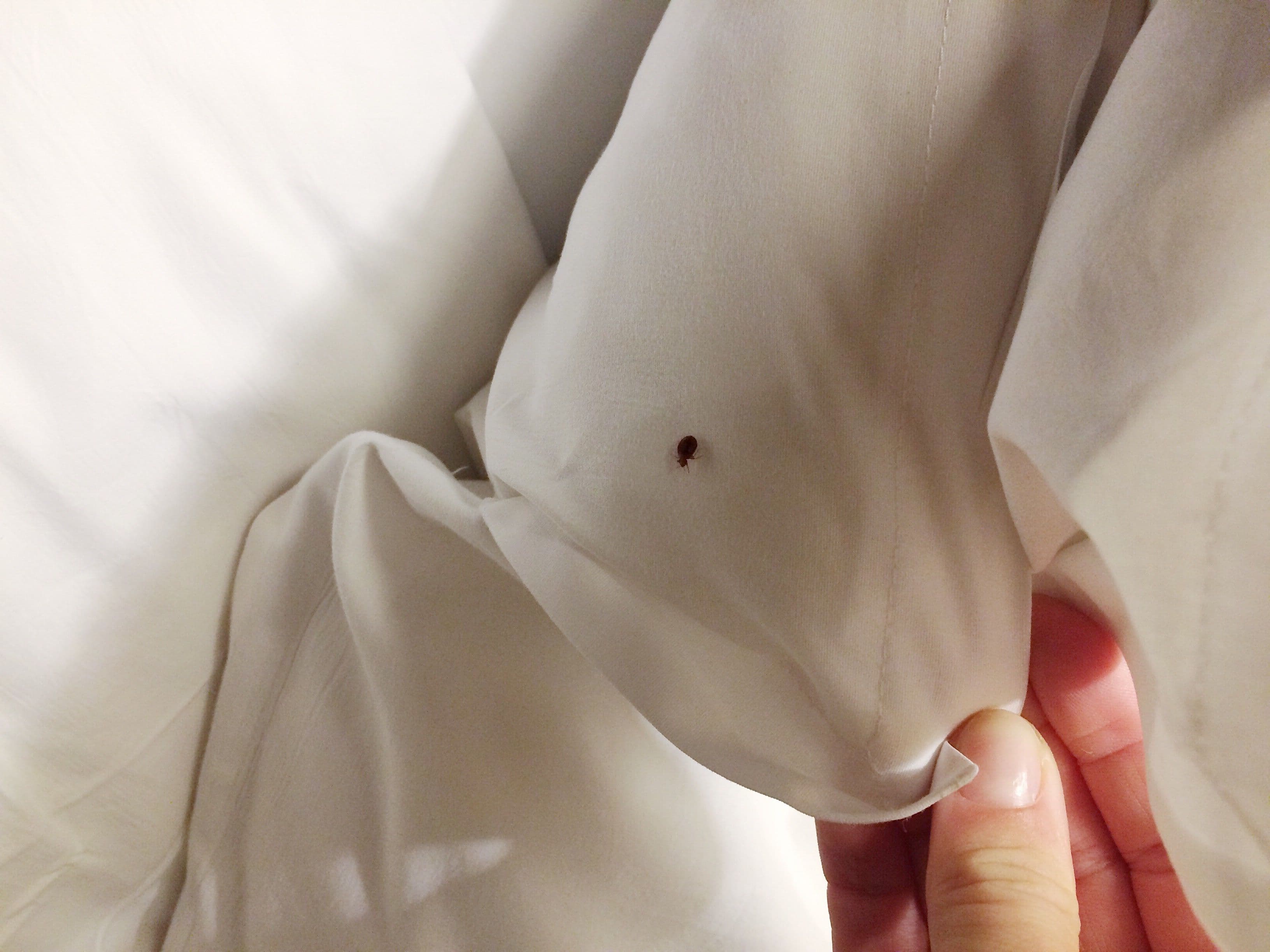
This pest is a nightmare for both individuals and hotels. Hosting these visitors can be very costly! First, because they literally suck blood; second, because usually two or three treatments spaced fifteen days apart are needed to control the infestation. They hide in cracks where insecticide barely reaches, and since they can go weeks without feeding, you have to wait for them to come out to be affected by the product.
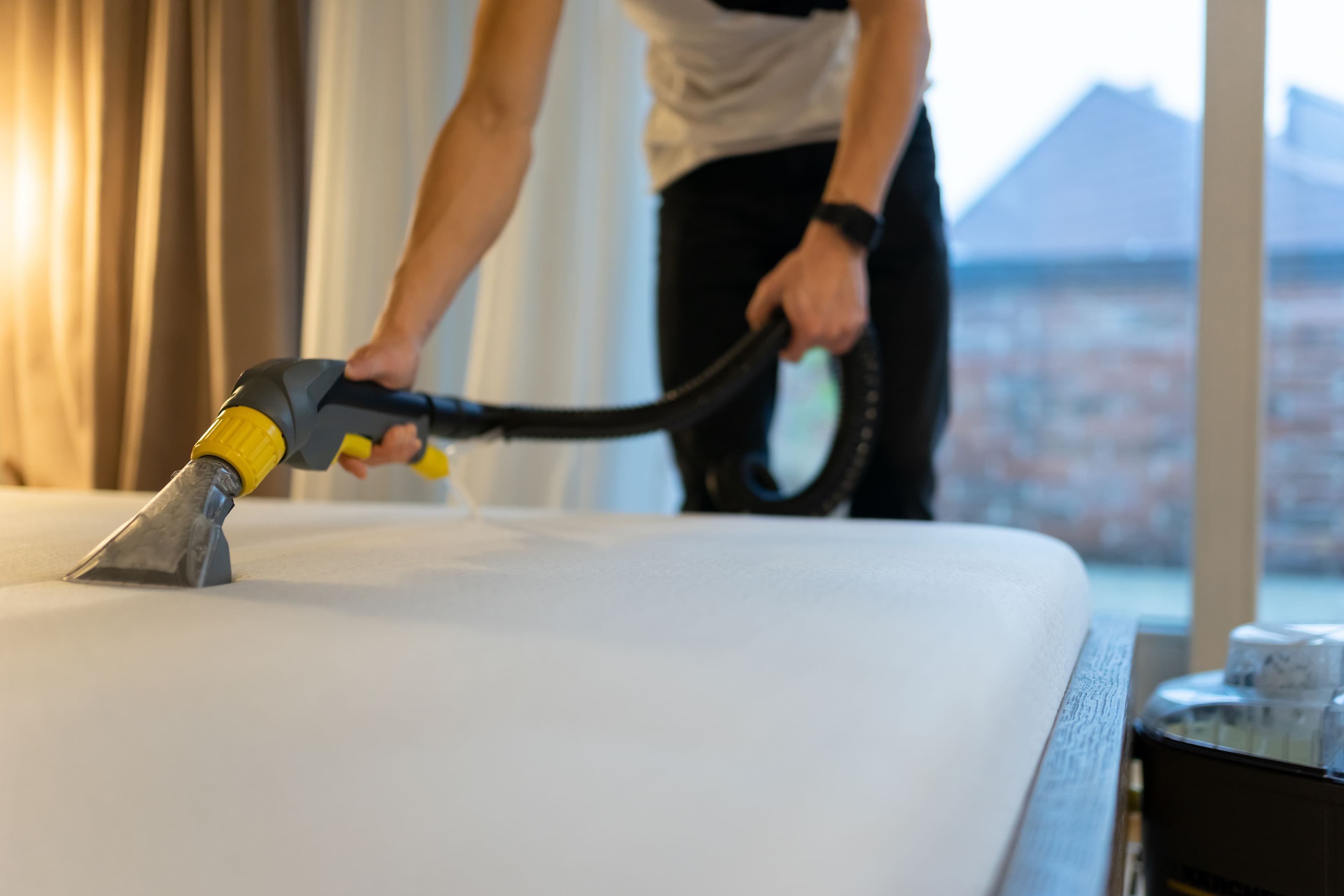
Chemical treatment must be combined with physical and mechanical methods, like vacuuming or exposing infested objects to extreme temperatures.
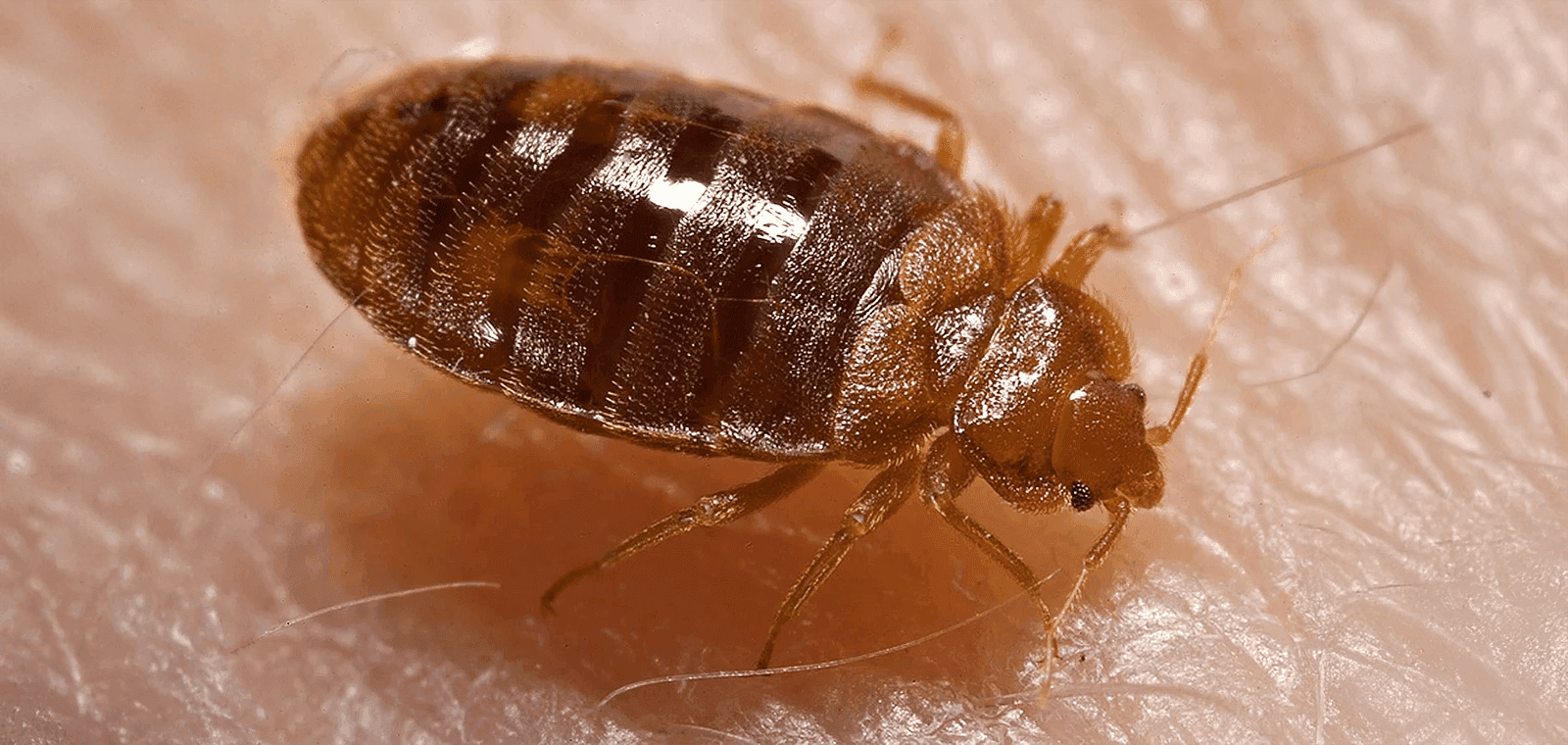
Bed bugs are small insects (up to 5 mm), brown, flat, and hematophagous (feeding only on blood). Each female can lay up to five eggs per day, reaching 200–500 offspring in her lifetime.
By feeding on blood, they stay close to their source. Although not strictly nocturnal, they take advantage of the night to attack. All nymphal stages and adults bite, usually on exposed areas like face, neck, and arms. Fortunately, they are unlikely to transmit diseases.
During the day, they hide in cracks in floors, walls, and furniture near the bed and spread. The constant flow of people and luggage, especially in hotels, makes control very difficult.
At home, if the bedroom is infested and someone sleeps on the sofa, bed bugs can continue infesting that area. Changing sheets can also spread them. Treating one room is not the same as treating the whole house. In hotels or busy establishments, the problem may require closing parts of the building.
If you like our content, check out our social media.
