
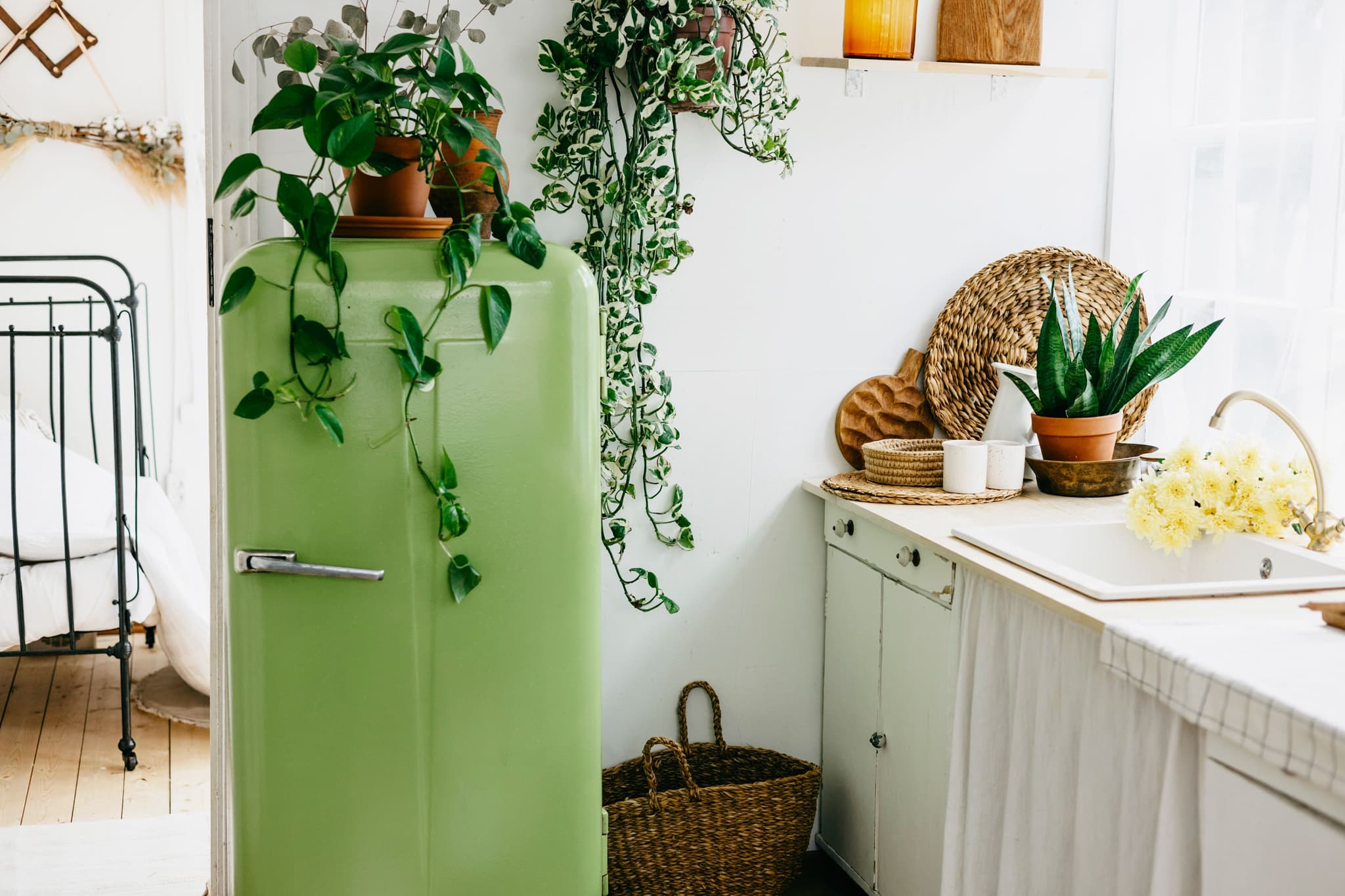
We teach you how to care for and organize your fridge
The fridge is more than just an appliance — it's an essential ally for health and wellbeing at home. It helps preserve food longer, reduce waste, and prevent food-related health risks. But the real question is: do we treat it properly? Even if we think it’s clean and organized, we often make mistakes without realizing it. In this article, we’ll show you how to organize it correctly, maintain it, and avoid habits that could jeopardize food safety and appliance performance.
Smart placement: theory and practice
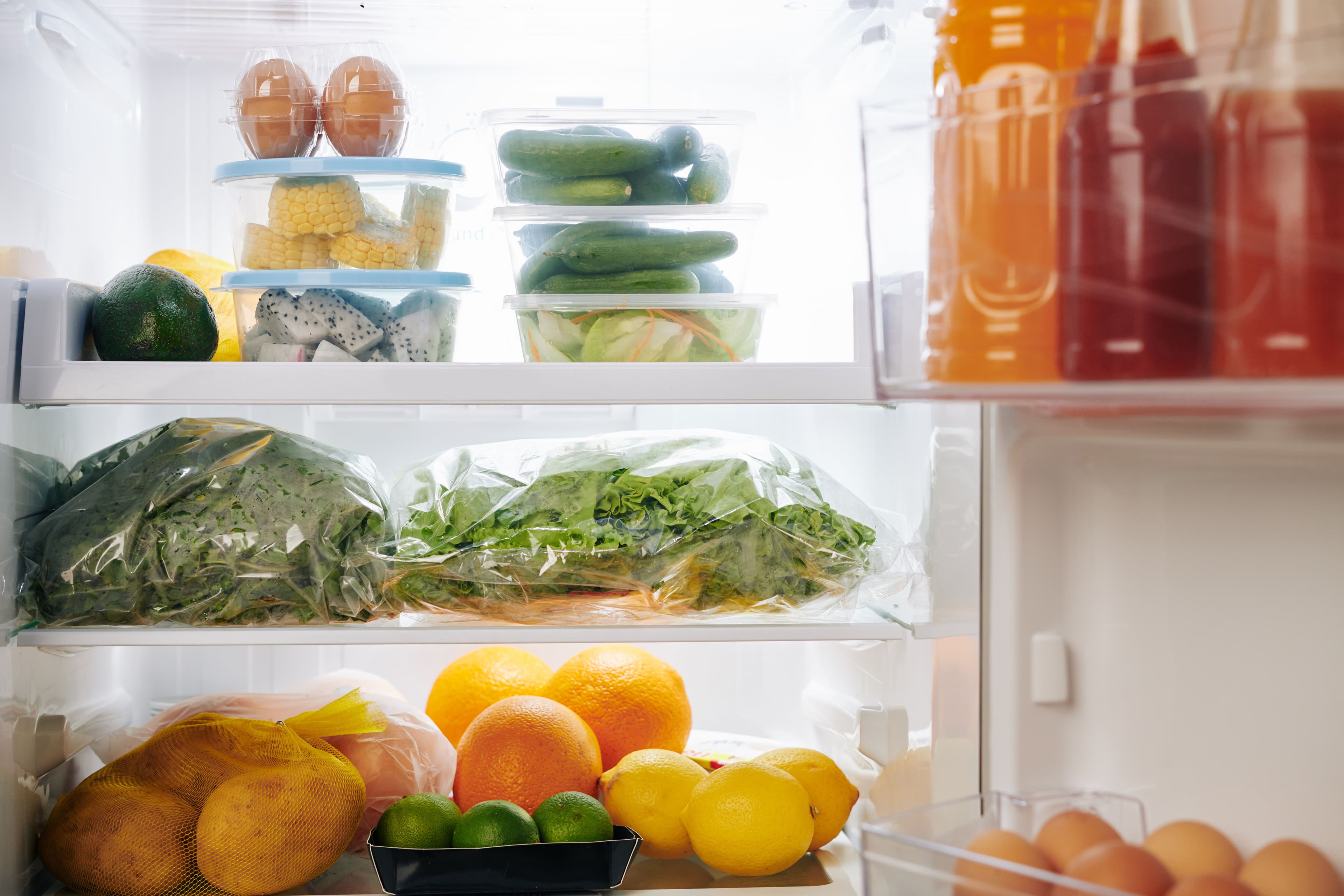
One of the most common mistakes is not knowing how to properly distribute food inside the fridge. While it might seem minor, improper placement can lead to cross-contamination and poor preservation.
Here's the recommended way to organize your fridge:
Top shelf
Store cooked or ready-to-eat foods like leftovers, opened dairy, or prepared meals in sealed containers. These should be protected from contamination.
Middle shelves
Ideal for cold cuts, yogurt, eggs (if not on the door), opened juices, or frequently used items. Defrosting food can also go here in a sealed container.
Bottom shelf
Meant for raw meat and fish. Always store them in trays or containers to prevent drips and contamination.
Bottom drawers
For fruits and vegetables. These drawers maintain humidity and protect produce. If possible, separate fruits from vegetables — some fruits release ethylene gas that can spoil others.
Fridge door
The warmest and most unstable area. Only store drinks, jams, sauces, and condiments here. Eggs and milk should go inside for better temperature control.
Temperature: the key to preservation and safety
A good fridge should stay between 0°C and 4°C. The freezer should be below -18°C. Overloading the fridge or putting in hot food can raise the internal temperature, affecting both safety and energy use. Constantly opening the door or leaving it open while deciding what to take out doesn’t help either. Know what you want before opening to reduce thermal stress and preserve food better.
Cleaning: more important than you think
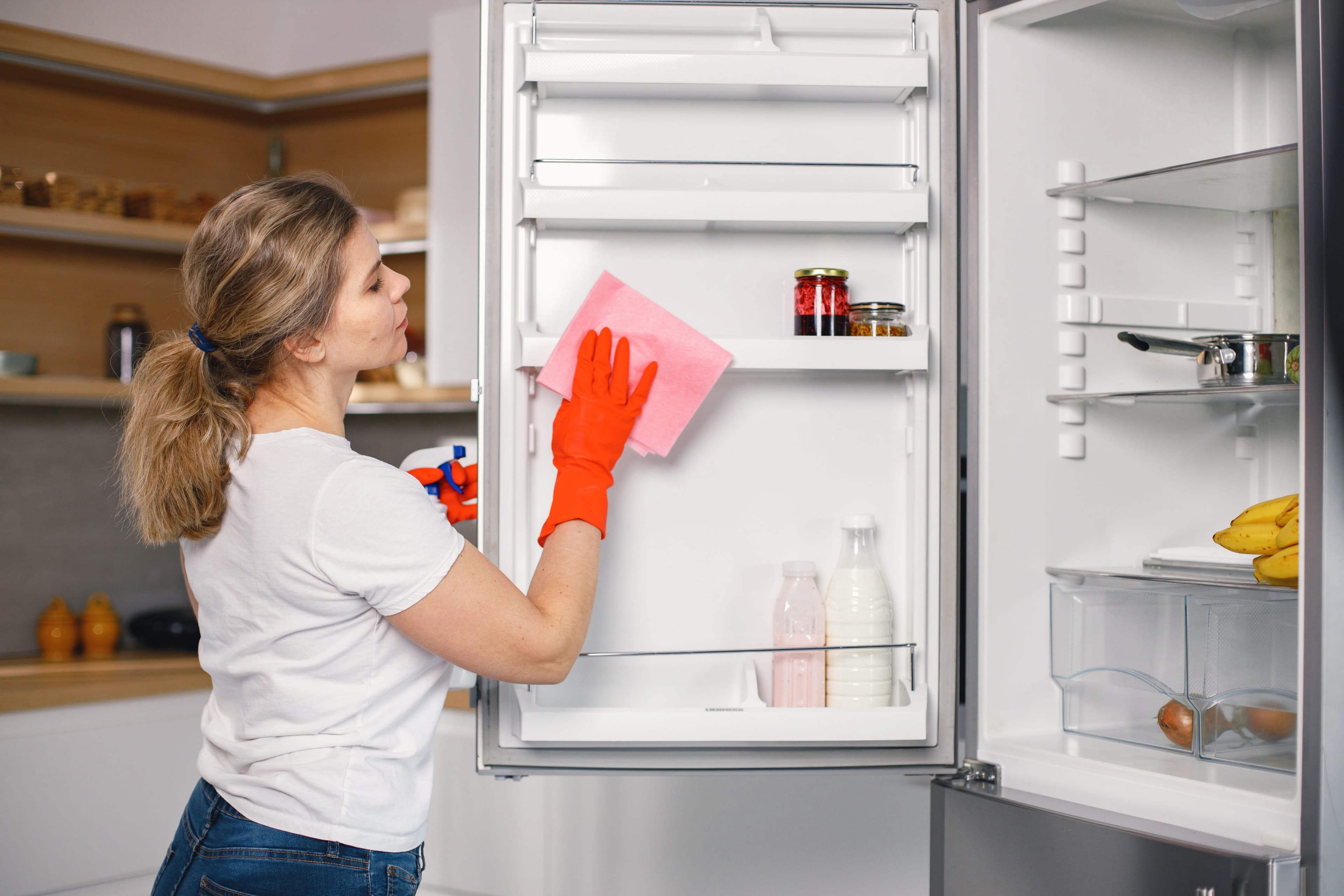
Do you clean your fridge weekly? If not, you might be hosting more microbes than you'd like. A weekly clean helps prevent mold, bad odors, and contamination. Use a damp cloth and a gentle solution of water and vinegar — safe, effective, and natural.
Take care of it… and it’ll take care of you
The fridge is often overlooked in food safety discussions. But with small regular actions, you can extend your food’s life, save energy, and protect your health.
Now that you know what to do... are you someone who pampers your fridge, or could it use a little more love?
If you like our content, check out our social media.
