
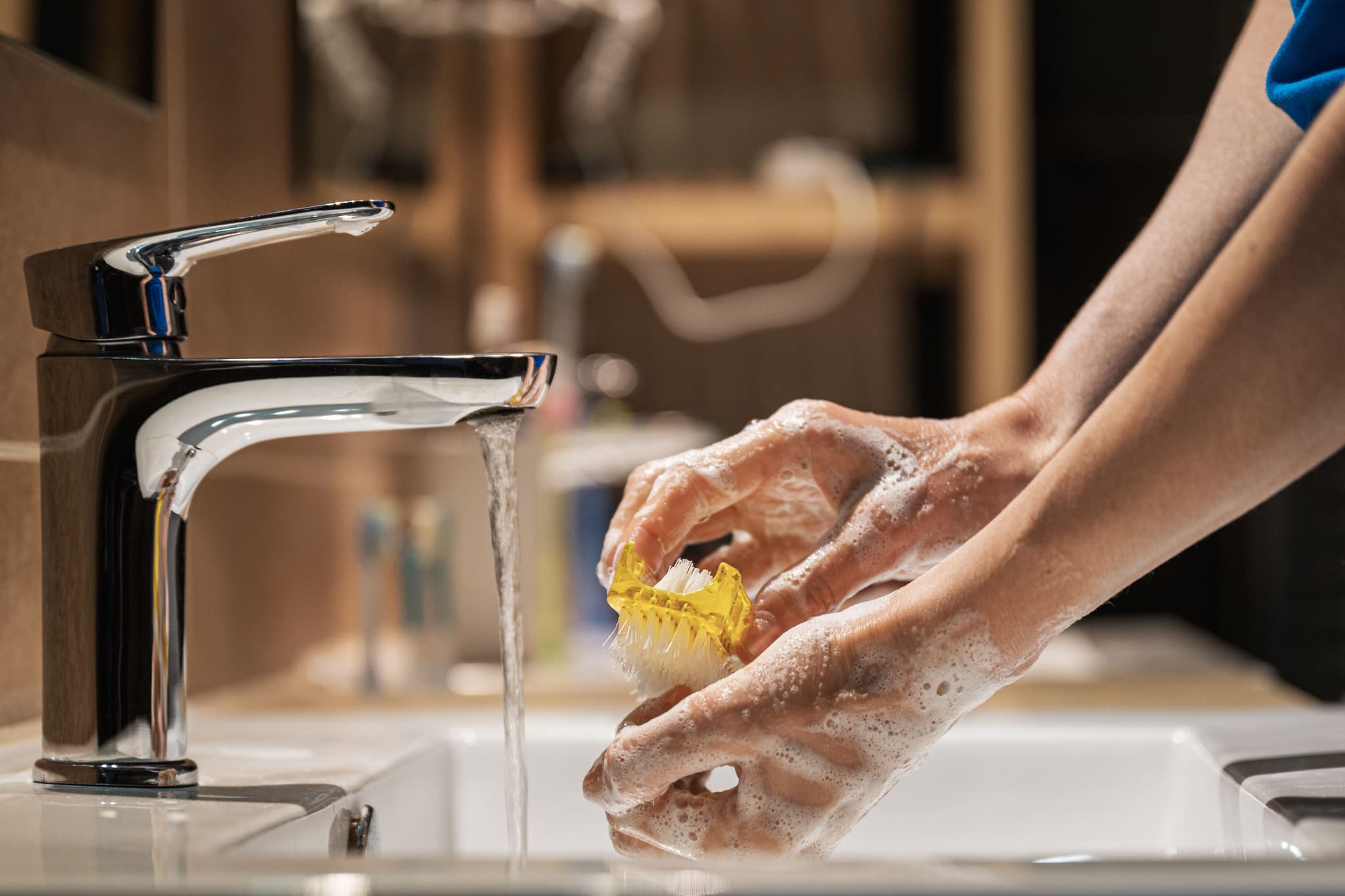
Wash your hands properly to prevent contamination
Food Safety
January 29, 2025
Proper handwashing is the first barrier against microbes and food contamination.
Everyone knows that hands carry many microorganisms and are one of the main pathways for food contamination. Responsible food handlers are aware of this. It is not easy to completely remove microbes, but washing your hands properly helps a lot.
How to do it correctly?
- Remove rings, bracelets, and watches. They are not allowed in kitchens because they trap dirt and bacteria.
- Spend enough time washing. Rub palms, backs of hands, between fingers, and up to forearms. Pay special attention to nails, a critical area for germs. Keep nails short and use a personal nail brush (like a toothbrush) to clean them.
- Nail polish is also forbidden in kitchens, as it can cause chemical contamination of food.
- Use liquid soap (preferably antibacterial), not bar soap, which can harbor germs. Rinse thoroughly with warm water — not too cold or hot. This helps open pores and ensures a deeper clean.
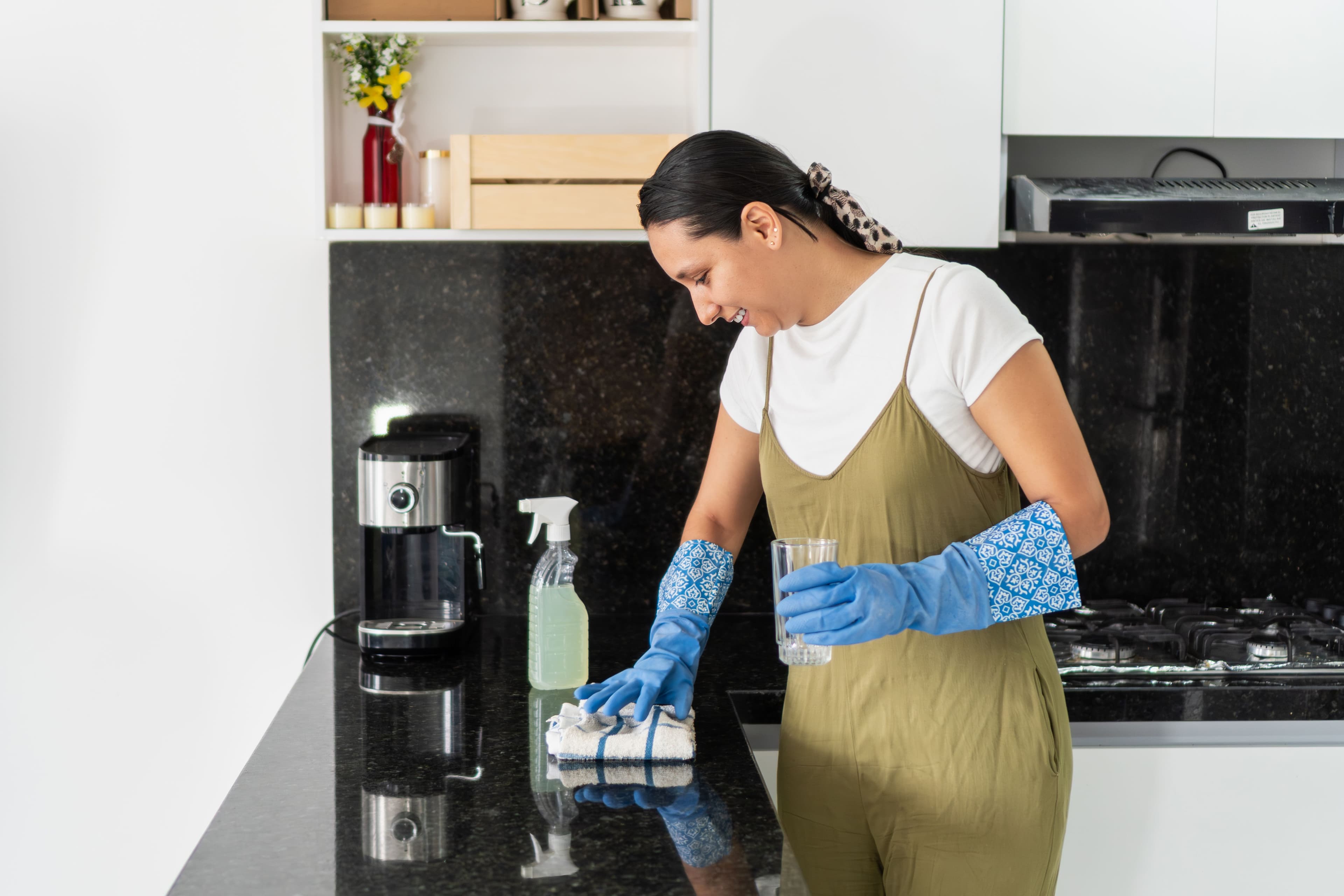
- Dry hands with single-use paper towels. Never use cloth towels, aprons, or rags, as they cause cross-contamination.
If you like our content, check out our social media.
