
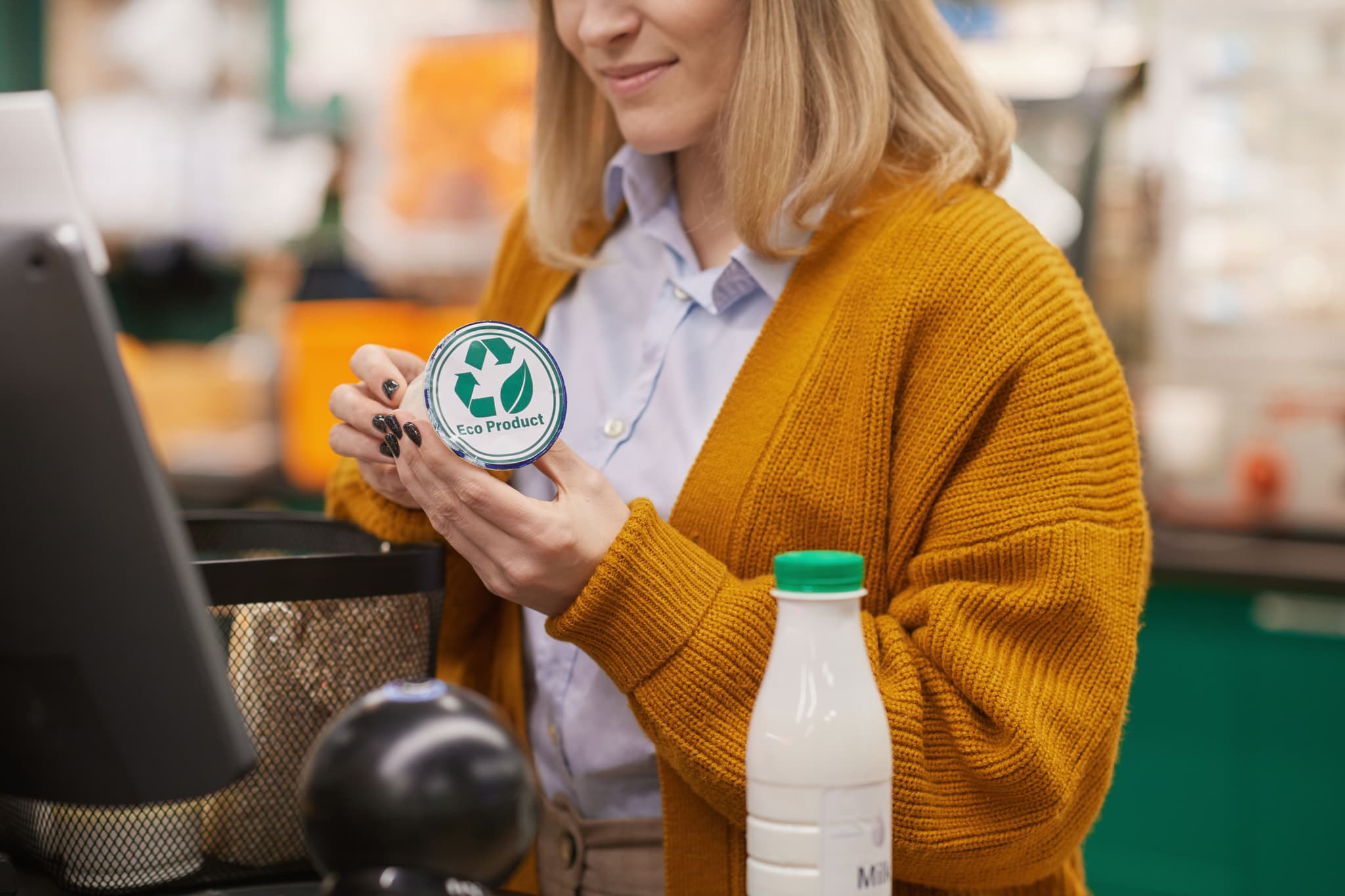
How to interpret food dates
When a product has an expiration date, it means it is microbiologically perishable; after that date the food is not safe and may cause harm if consumed.
In contrast, a product with a best-before date is microbiologically stable and poses no health risk if consumed after that date. This date guarantees that the product will maintain its characteristics and quality until that moment, provided storage conditions recommended by the manufacturer are respected.
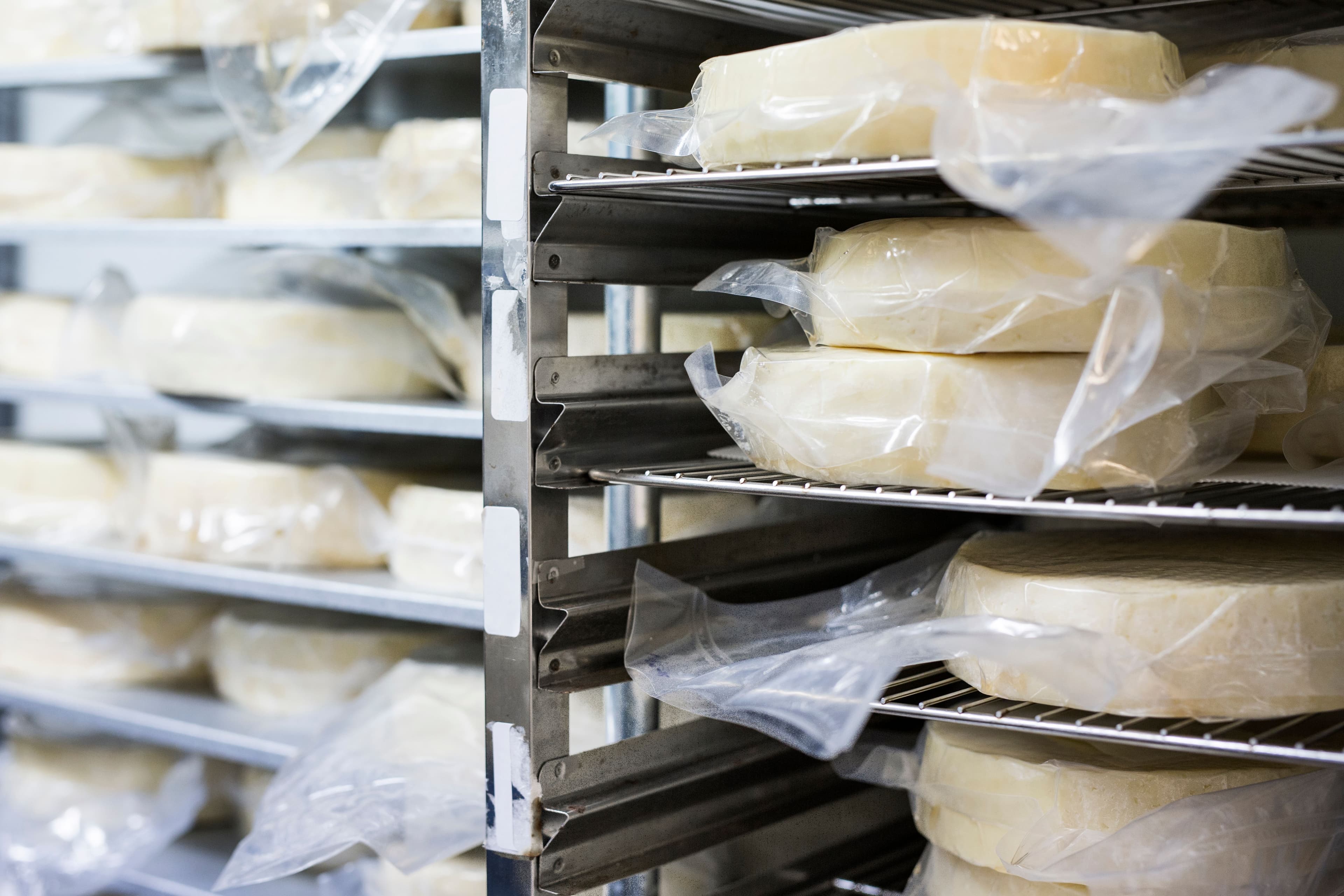
After the best-before date, the product may still be safe, but characteristics such as taste, smell, or color may change. This is common in aged cheeses, cured meats, or sterilized products such as canned goods or UHT milk.
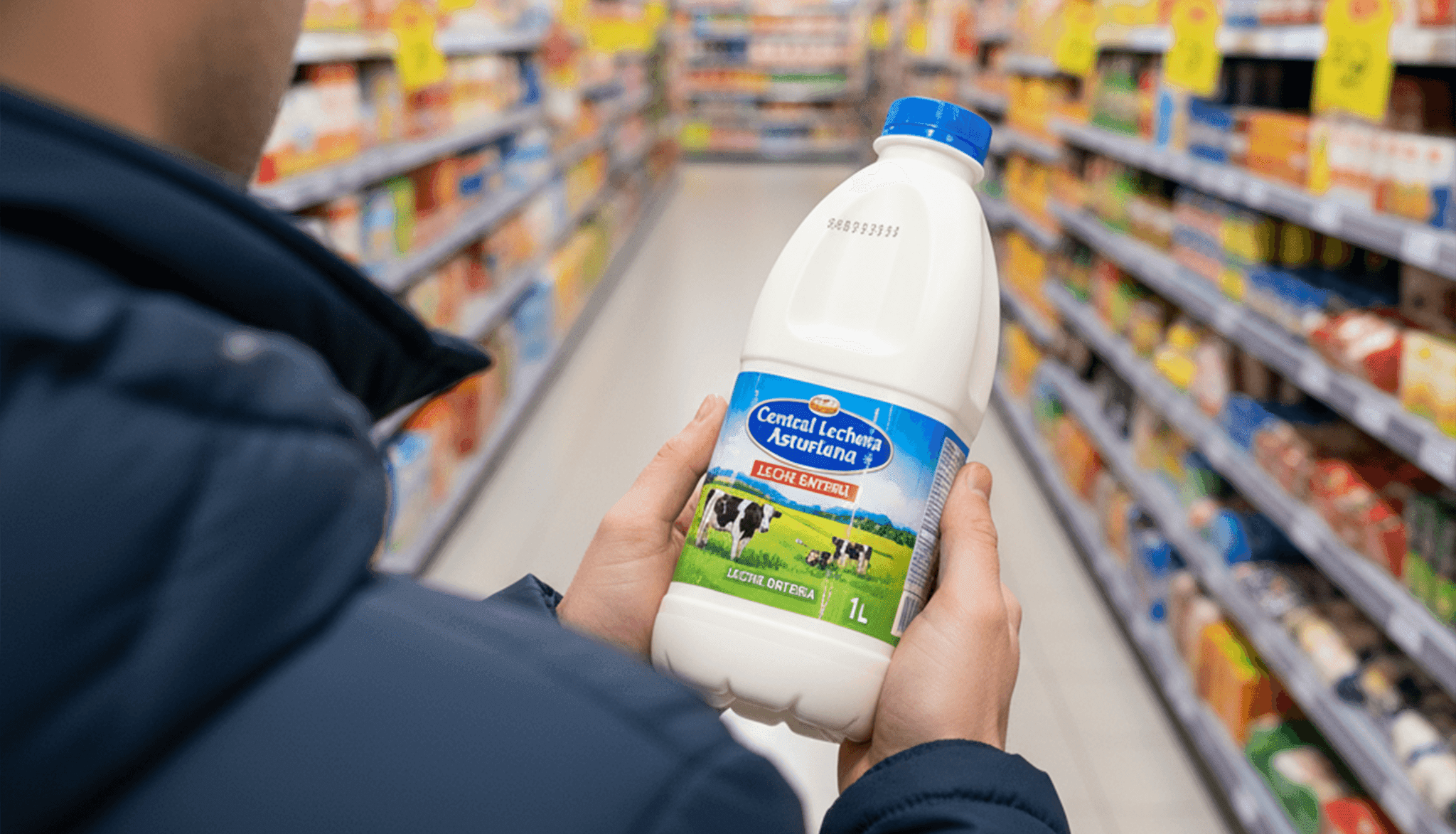
Consuming a product after its expiration or best-before date is the consumer's responsibility. When there is an expiration date, consuming the product past that date may be harmful, although manufacturers usually provide a safety margin.
For restaurants or collective catering establishments, the business assumes the consumer’s responsibility: serving a product past its expiration or best-before date carries responsibility for any potential consequences.
If you like our content, check out our social media.
