

How to properly inform consumers about allergens
One of the most important updates in the new Food Information Regulation (BOPA no. 6, 2017) is that all products, packaged or not, whether prepared and served on-site or sold remotely, must indicate the allergens they contain.
This must appear on the label, with a sign next to the product, or on the menu. Both large industries and small restaurants must inform, with restaurants having the option to do so orally if necessary.
The Regulation modernizes the legal framework and adapts it to consumer demands, establishing what information must be provided and how. It even specifies the minimum font size on labels: never smaller than 0.9 mm. The main idea is that now more information must be given so consumers can better understand the product and choose the most suitable one.
Information must comply with the new regulation by July 1, 2018; for restaurants and unpackaged products, adaptation may extend until January 1, 2019.
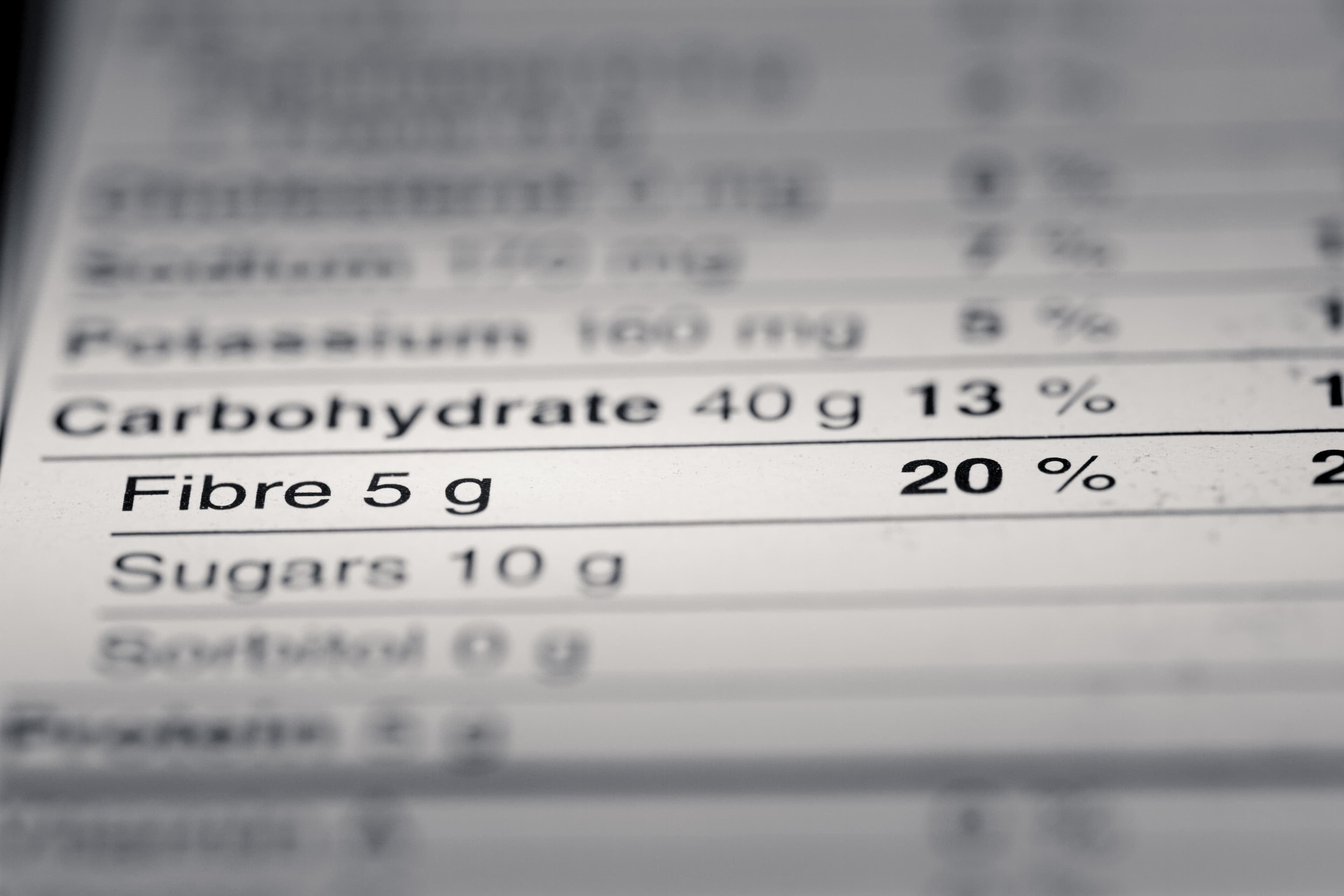
For packaged products, most already provide the required information. For bulk stores, it is sufficient to indicate on the same sign showing the product and price the allergens and origin, especially for fruits, vegetables, meats, and fish.
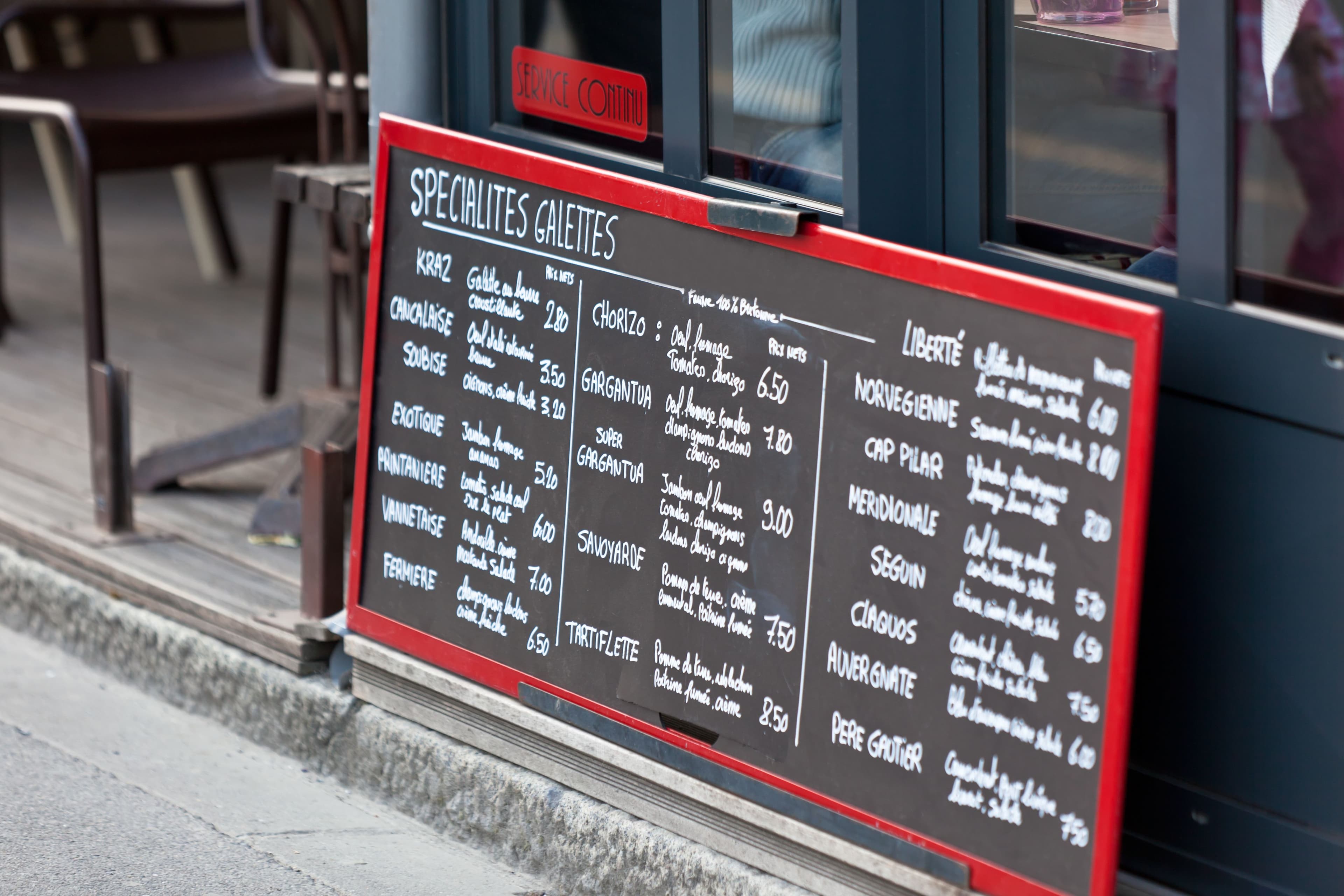
For restaurants, there are several options: indicate allergens on the menu, next to each dish, or via a sign stating that the information can be provided orally upon request. Always, written information must be available in a kind of technical sheet for each dish.
To comply with the Regulation, it is sufficient to identify allergens included as ingredients. For now, cross-contamination traces are not required, though including them is recommended for a safe service to allergic customers.
Failure to provide correct information can have severe consequences for allergic or intolerant consumers, including death in extreme cases, and obviously harms the establishment’s reputation. To comply with the law and provide safe, high-quality service, you can rely on us.
If you like our content, check out our social media.
