
The importance of chlorine for pool water
Pool water cannot remain stagnant; it must circulate constantly. If it stops, the temperature rises and promotes the growth of organisms and microorganisms: algae, larvae, bacteria, and others. In addition to circulating and filtering the water, a disinfectant such as chlorine or bromine must be added.
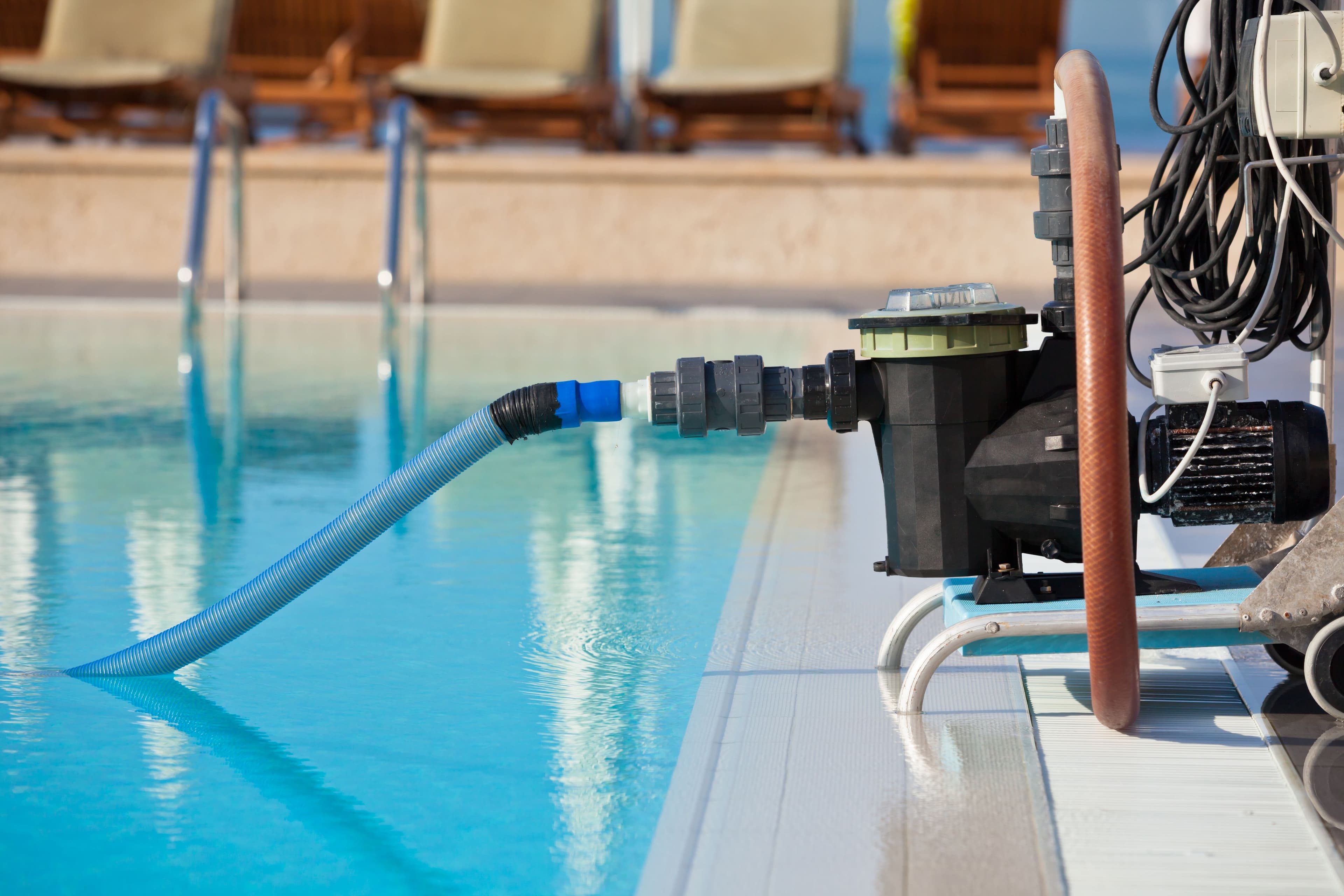
Pool water treatment is complex and requires qualified personnel. At Atēnia, we put our knowledge and experience at the service of proper maintenance of the facilities and to ensure water safe for swimming.
According to the Regulations for collective-use pools (BOPA No. 41, year 24, August 29, 2012), the following parameters must be monitored:
- pH between 7 and 8
- Free residual chlorine concentration: 0.5 – 2 mg/l
- Turbidity ≤ 2 NTU
- Conductivity at 20ºC: no more than 800 µS cm⁻¹ above the pool water level
- Ammonium < 0.50 mg/l
- Absence of fecal coliforms, intestinal enterococci, Staphylococcus aureus, and Pseudomonas aeruginosa
- Aerobic bacteria < 100 CFU/ml and total coliforms < 10 CFU/100ml
If the water does not meet these requirements, it can cause illnesses and discomfort: infectious conjunctivitis, swimmer’s ear, pool granuloma, or athlete’s foot.
If you like our content, check out our social media.
