
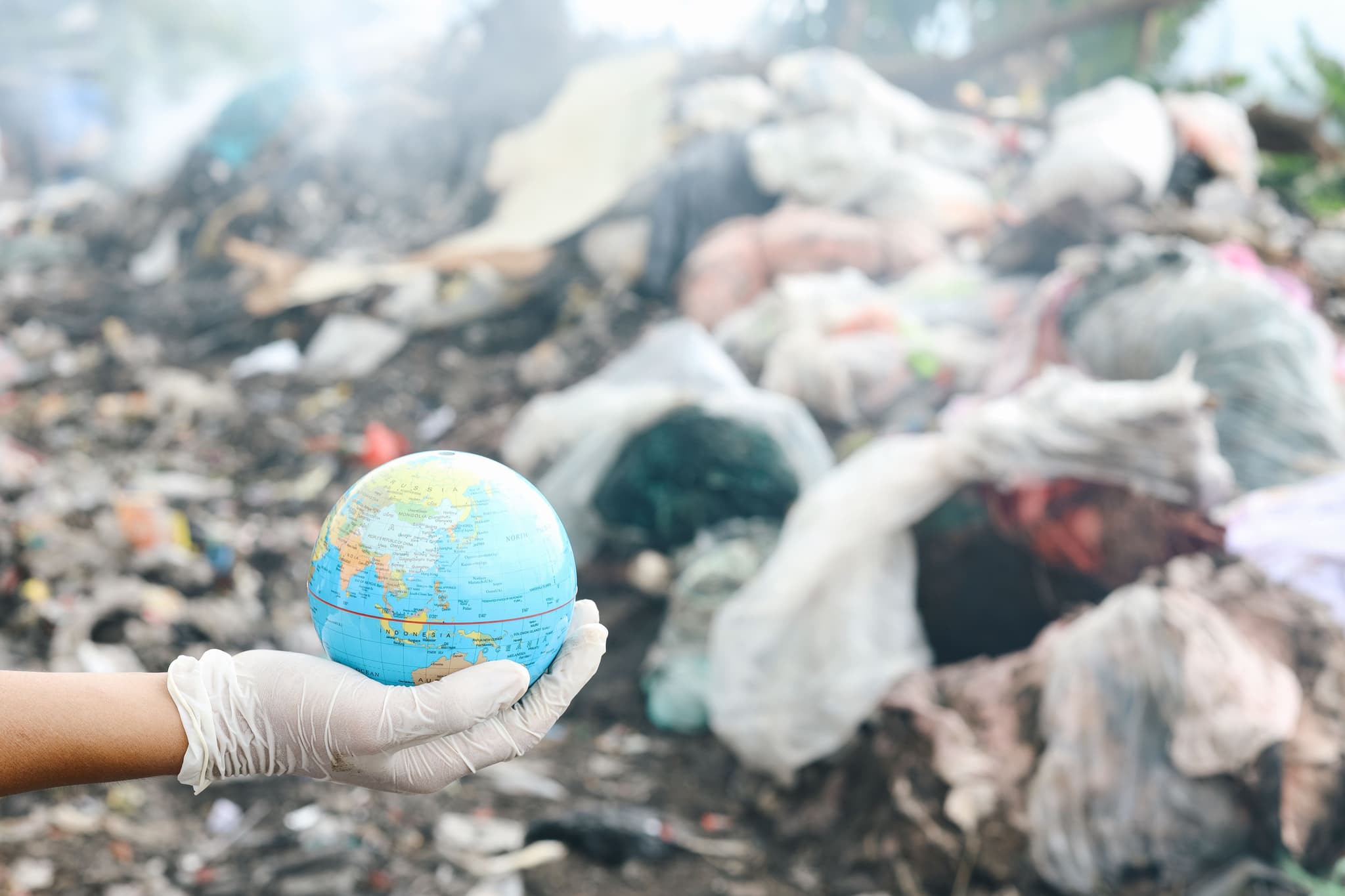
Discover the different types of pollution
The Catalan Encyclopedia defines pollution, in ecological terms, as “the alteration of a natural environment’s properties caused by the direct or indirect action of humans, introducing disturbances, materials, or radiation that modify the structure and function of affected ecosystems.”
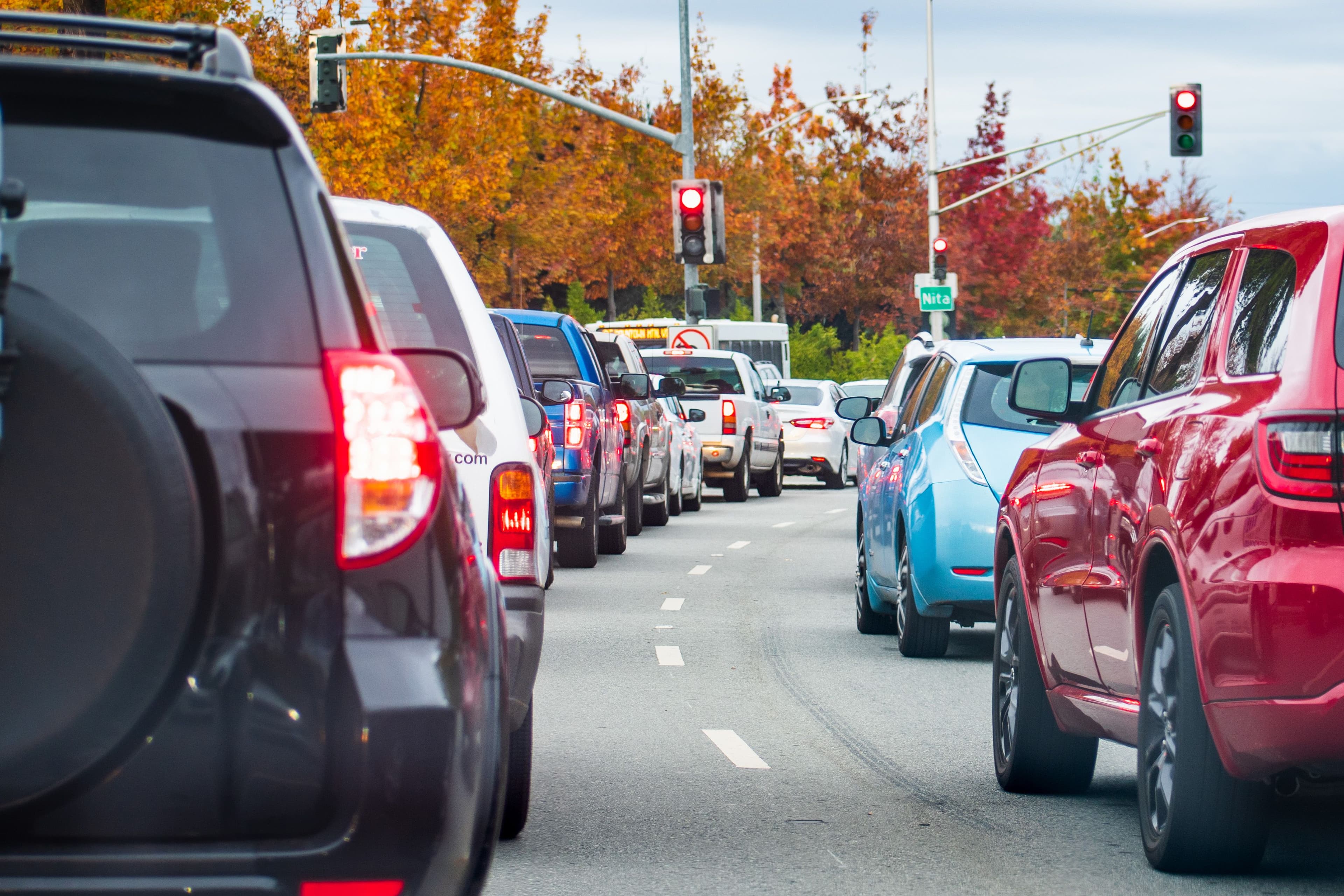
Therefore, there is not just one kind of pollution, but many. Depending on the source or medium affected, we can identify:
- Air pollution (gases)
- Water pollution
- Soil pollution
- Radioactive pollution
- Noise pollution
- Light pollution
- Visual pollution
- Diffuse pollution, caused by many small-scale factors that together have major consequences.
Despite their variety, the impacts are similar: pollution threatens plant, animal, and human life. Breathing polluted air becomes difficult and dangerous. Contaminated water or soil harms crops and can be dangerous if consumed.
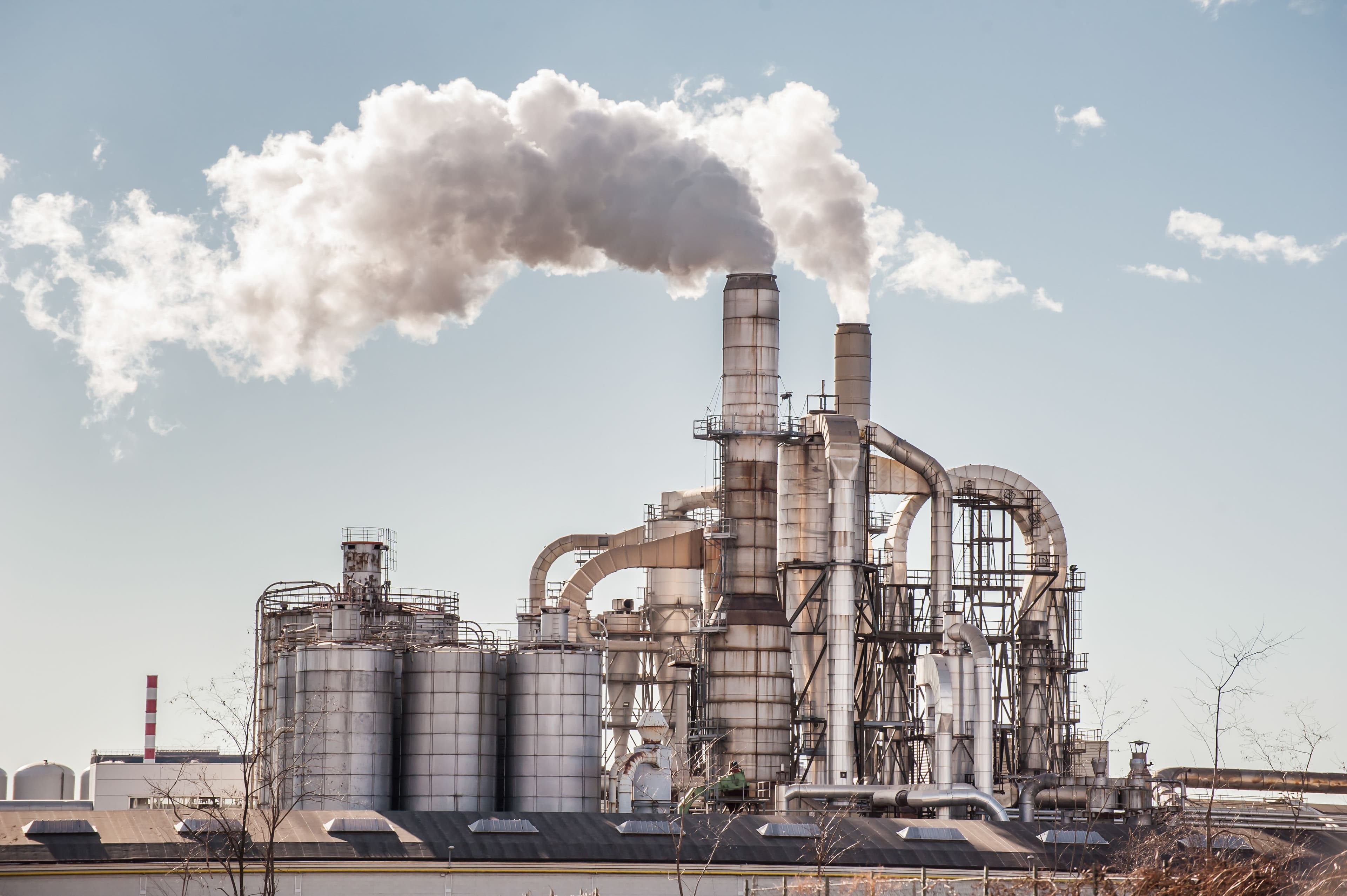
Even light and noise pollution, though less obvious, are harmful. Excessive artificial light or noise disrupts sleep, causes stress, and may trigger disease. Plants and animals also suffer, as their natural cycles are thrown off balance.
If you like our content, check out our social media.
