
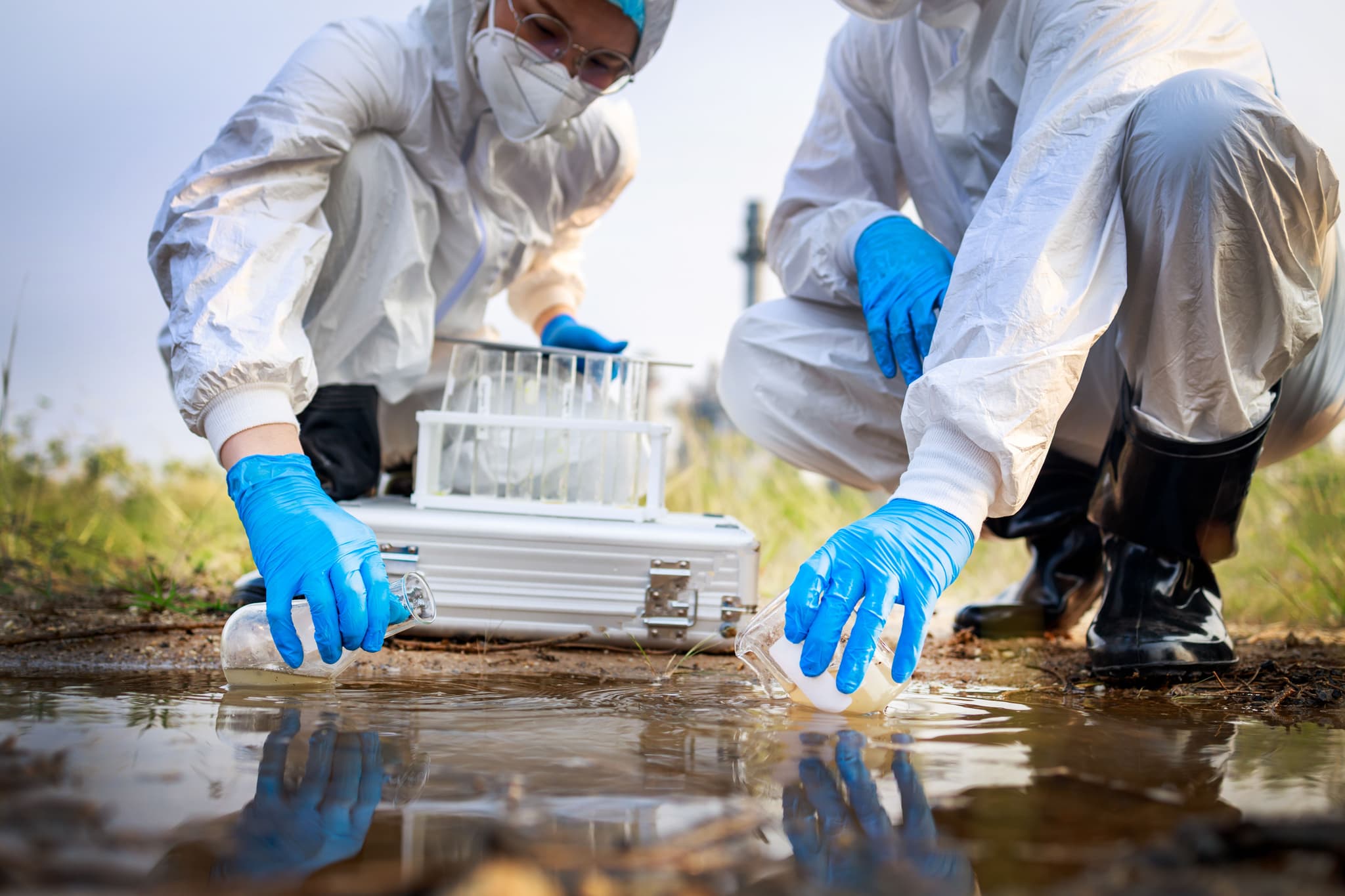
Is water life? Not always
When we think of water, we automatically associate it with life, health, and well-being. But is it always like that? The answer is no. Water can also become a vehicle for transmitting infections, some very serious and with devastating consequences.
These diseases, known as waterborne diseases, have caused and still cause numerous deaths worldwide. According to the classification by Mara and Feachem (1999), they can be divided into four groups according to their environmental transmission route:

Fecal-oral transmission:
Includes cholera, gastroenteritis, typhoid, and poliomyelitis, as well as other diseases such as viral hepatitis or certain kidney and stomach disorders.
Bathing or hygiene transmission:
Such as Pseudomonas infections in the ear or trachoma, responsible for 3% of global blindness cases.
Aquatic pathogens:
Such as LEGIONELLOSIS or schistosomiasis, caused by organisms that live directly in water or in aquatic hosts.
Transmission by aquatic vectors:
Diseases like malaria, yellow fever, or dengue, transmitted by mosquitoes that breed in standing water.
It is true that many of these diseases are concentrated in poor areas where access to drinking water is limited. But that does not mean we can relax in other regions. Water quality is an essential resource that must be protected and improved everywhere.

The key is prevention: proper wastewater treatment, protection of natural water sources, correct maintenance of distribution networks, and constant health monitoring. This way, we avoid not only mild illnesses like gastroenteritis, but also much more serious problems that can put life at risk.
If you like our content, check out our social media.
